

Aromatherapy Gallery
$$MultiPurposeText$$
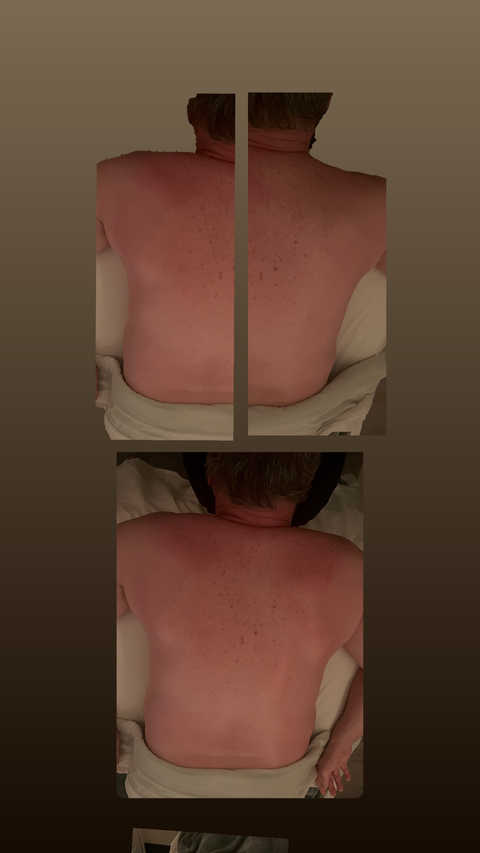
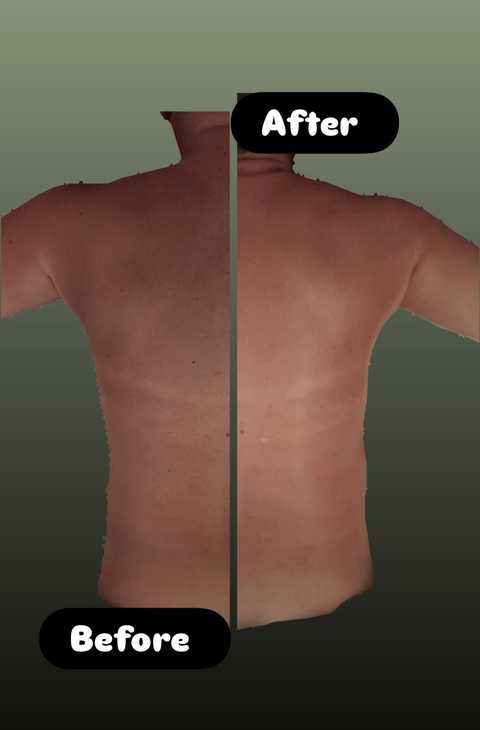
See examples of our Aromatherapy work and results.






What Our Clients Say
$$MultiPurposeText$$
Read testimonials from our satisfied customers

Great pressure, excellent body knowledge!

Such a great massage from Perla. I left with my body feeling great and relaxed! Very peace...more

Perla and Ray are outstanding!

Perla was amazing! She has healing hands. The environment is very clean, relaxing, and wel...more

I had an incredible massage experience that exceeded all my expectations. From the moment ...more

Such a great find! Perla was amazing. She is so calming and gave me an excellent massage....more

Frequently Asked Questions
Get answers to common questions about Aromatherapy.
You’ll consult about scent preferences and any sensitivities, then therapists will diffuse or blend diluted essential oils into your massage. The experience emphasizes inhalation and subtle topical application, enhancing relaxation without overpowering; full discussion ensures safety and comfort.
We use therapeutic-grade oils diluted in carrier oils and perform patch tests when needed. Inform us about allergies, skin conditions, or pregnancy so we can select hypoallergenic options or omit oils entirely to maintain safety and comfort.
Yes. Calming oils such as lavender and chamomile can support sleep by reducing arousal and promoting relaxation. When combined with massage’s physical release, aromatherapy often improves sleep quality. It complements medical care but is not a substitute for treating clinical insomnia.
We select oils based on your goals—relaxation, energy, or mood stabilization—as well as medical history and scent preferences. Therapists recommend blends, perform patch testing, and adjust choices to ensure effective, pleasant aromatherapy that supports your massage goals.
Some essential oils are contraindicated in pregnancy and breastfeeding. Always disclose pregnancy or nursing status so we can use pregnancy-safe blends or omit aromatherapy. Your therapist follows safety guidelines and can provide alternatives that still support relaxation without risking mother or baby.
Light scents typically dissipate within a few hours; stronger or oil residues might linger on hair or fabrics longer. We can minimize lingering by using subtler blends, offering wipes, and ventilating the room. If you prefer, we’ll select low-retention options.