

Cupping Gallery
$$MultiPurposeText$$
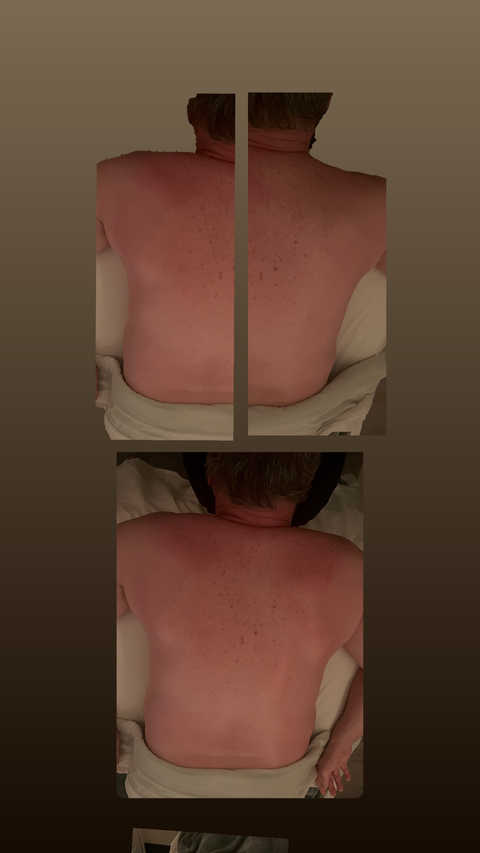
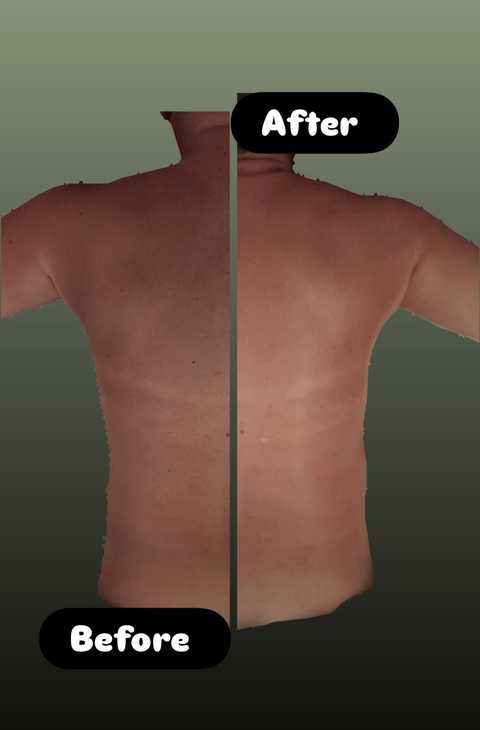
See examples of our Cupping work and results.



What Our Clients Say
$$MultiPurposeText$$
Read testimonials from our satisfied customers

Great pressure, excellent body knowledge!

Such a great massage from Perla. I left with my body feeling great and relaxed! Very peace...more

Perla and Ray are outstanding!

Perla was amazing! She has healing hands. The environment is very clean, relaxing, and wel...more

I had an incredible massage experience that exceeded all my expectations. From the moment ...more

Such a great find! Perla was amazing. She is so calming and gave me an excellent massage....more

Frequently Asked Questions
Get answers to common questions about Cupping.
During a cupping session you'll feel firm suction and mild pulling as cups lift tissue. Sessions last 15 to 30 minutes as an add-on. Some redness or circular marks may appear but usually fade within days; you'll feel increased mobility afterward.
Most clients experience mild pulling or pressure but not sharp pain. Intensity is controlled and adjusted for comfort. Cupping can leave round bruises or mottled discoloration that typically fade within several days to two weeks, depending on suction strength and circulation.
Cupping lifts and separates tissue layers, increasing blood flow and reducing fascial restrictions. This enhanced circulation clears metabolic waste and reduces localized tension, allowing manual therapy and movement to more effectively release trigger points and restore muscle function.
Individuals with bleeding disorders, active skin infections, open wounds, deep vein thrombosis, or those on blood-thinning medication should avoid cupping or obtain medical clearance. Pregnant clients and those with fragile skin should also consult with their healthcare provider first.
Frequency varies by condition. Acute issues may respond after one or two sessions; chronic trigger points often require a series of treatments combined with massage, stretching, and home care. Your therapist will recommend a tailored plan based on assessment and progress.
Yes. Cupping is often used as a clinical add-on alongside deep tissue, myofascial release, or trigger point therapy to enhance results. Therapists sequence techniques to maximize benefits, reduce discomfort, and improve mobility while monitoring tissue response throughout.