

Gua sha Tool (Muscle Scraping) Gallery
$$MultiPurposeText$$
See examples of our Gua sha Tool (Muscle Scraping) work and results.





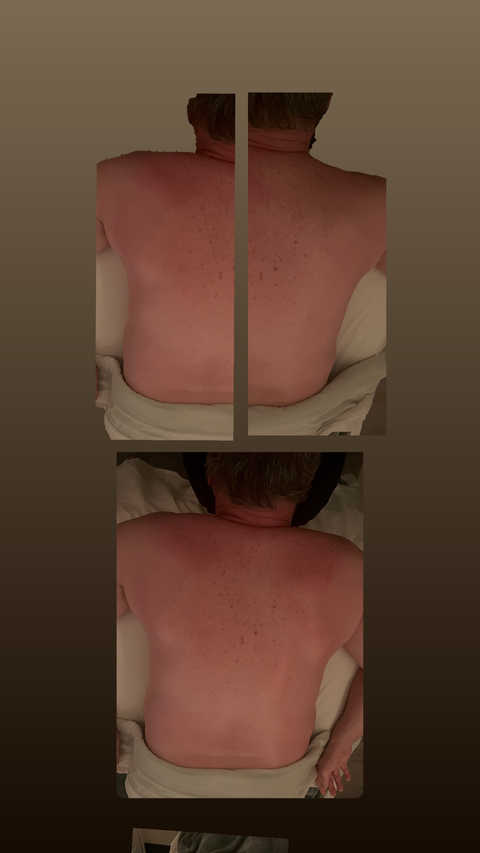
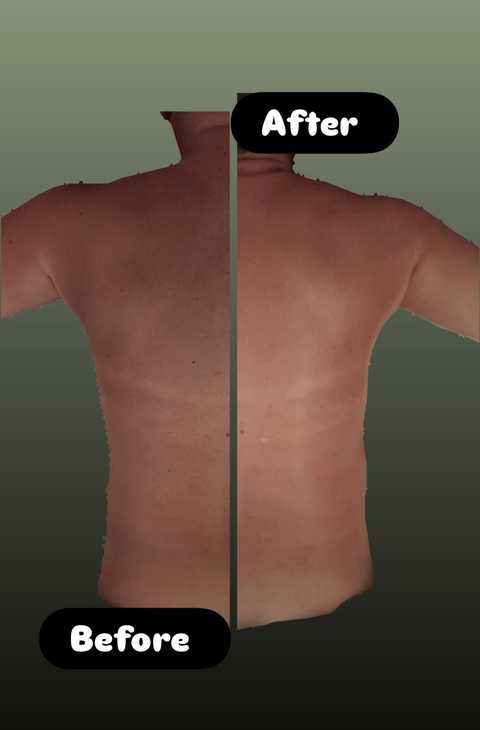

What Our Clients Say
$$MultiPurposeText$$
Read testimonials from our satisfied customers

Great pressure, excellent body knowledge!

Such a great massage from Perla. I left with my body feeling great and relaxed! Very peace...more

Perla and Ray are outstanding!

Perla was amazing! She has healing hands. The environment is very clean, relaxing, and wel...more

I had an incredible massage experience that exceeded all my expectations. From the moment ...more

Such a great find! Perla was amazing. She is so calming and gave me an excellent massage....more

Frequently Asked Questions
Get answers to common questions about Gua sha Tool (Muscle Scraping).
A typical session lasts 10–30 minutes as an add-on. Your therapist will apply lubricant then use a smooth tool to gently scrape targeted muscles. You may feel pressure, warmth, and temporary redness; many clients notice increased mobility immediately and some mild soreness afterward.
Yes—when performed by a trained therapist, Gua sha is generally safe for most skin types. We use lighter pressure and test sensitivity first. Avoid if you have open wounds, certain skin conditions, or are taking blood-thinning medications; discuss medical history beforehand.
Many clients feel improved range of motion and reduced tightness immediately after treatment, though mild soreness or bruising can appear. For lasting changes, a series of treatments combined with stretching and strengthening is recommended over several weeks.
Yes. Gua sha targets fascial restrictions and adhesions that cause persistent stiffness. When integrated into a personalized plan—including corrective exercises and regular sessions—it can significantly improve tissue mobility and reduce chronic discomfort for long-term relief.
Common temporary effects include redness, petechiae, mild bruising, and soreness that resolve within days. Serious complications are rare but discuss anticoagulant use, active infection, or recent surgery with your therapist. We screen clients and modify treatment to minimize risks.
Frequency depends on training load and recovery needs; many athletes benefit from weekly or biweekly sessions during intense training, tapering to monthly maintenance. Your therapist will recommend an individualized schedule based on goals, response, and overall treatment plan.