

Myofascial Release (MFR) - 120 min Gallery
$$MultiPurposeText$$
See examples of our Myofascial Release (MFR) - 120 min work and results.





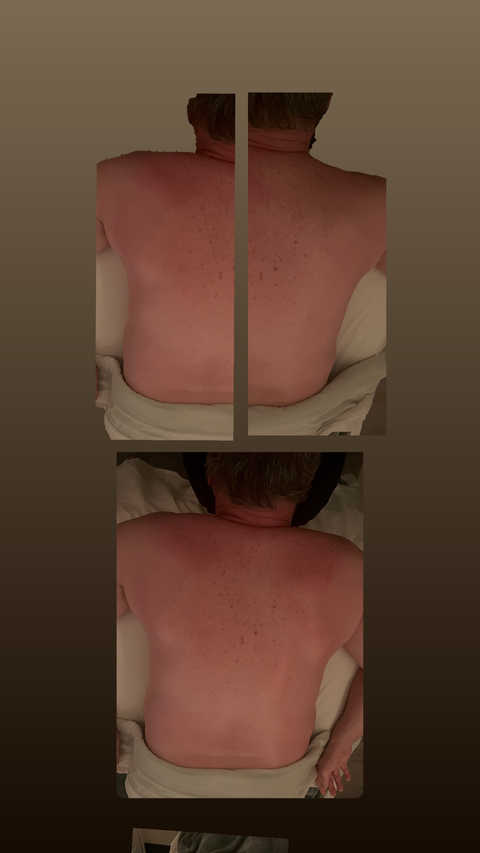
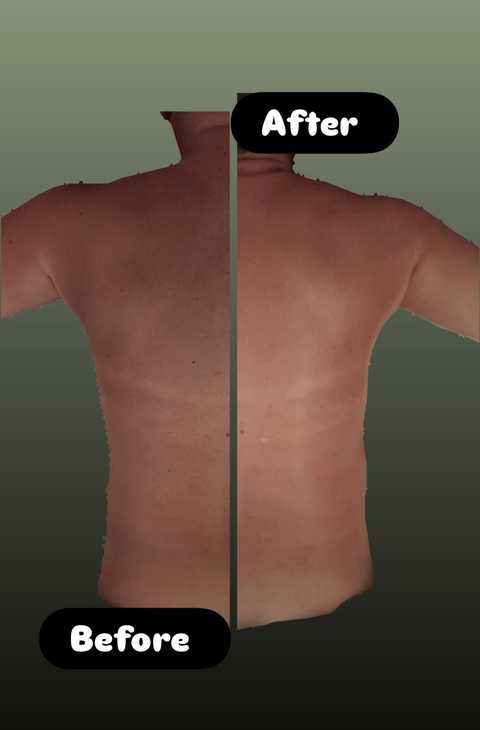

What Our Clients Say
$$MultiPurposeText$$
Read testimonials from our satisfied customers

Great pressure, excellent body knowledge!

Such a great massage from Perla. I left with my body feeling great and relaxed! Very peace...more

Perla and Ray are outstanding!

Perla was amazing! She has healing hands. The environment is very clean, relaxing, and wel...more

I had an incredible massage experience that exceeded all my expectations. From the moment ...more

Such a great find! Perla was amazing. She is so calming and gave me an excellent massage....more

Frequently Asked Questions
Get answers to common questions about Myofascial Release (MFR) - 120 min.
Yes. The two-hour session is adaptable for newcomers; we begin with a detailed health intake and progress slowly to assess tissue response. Expect guided breathing, gentle sustained pressure, and breaks. Communicate comfort levels so the therapist can tailor intensity for safety and effectiveness.
You’ll experience prolonged, hands-on work using slow, sustained pressure and gentle stretching. Therapists monitor your tissue response and may pause to allow releases. Sessions feel different than Swedish massage—less gliding, deeper connective tissue focus with gradual, cumulative shifts.
Arrive hydrated, well-rested, and wear comfortable clothing you can move in. Avoid heavy meals directly beforehand. Bring a list of medications and relevant medical history. Plan for gentle recovery afterward—light activity and extra water help the body integrate structural changes.
Some discomfort or a pulling sensation is normal as adhesions release, but therapists use feedback to keep pressure therapeutic, not harmful. Pain should be tolerable and transitory; report sharp or worsening pain immediately so techniques can be modified.
Duration varies by individual and condition chronicity. Many clients notice immediate mobility and pain reduction that continue improving over days or weeks. For lasting structural change, clinicians often recommend a series of sessions combined with home exercises, posture work, and lifestyle adjustments.
Yes. Acute infections, open wounds, recent fractures, deep vein thrombosis, uncontrolled hypertension, and certain autoimmune flares can preclude treatment. Disclose medical history and medications during intake. The therapist will adapt techniques or recommend medical clearance when necessary for safety.