

Myofascial Release (MFR) - 60 min Gallery
$$MultiPurposeText$$
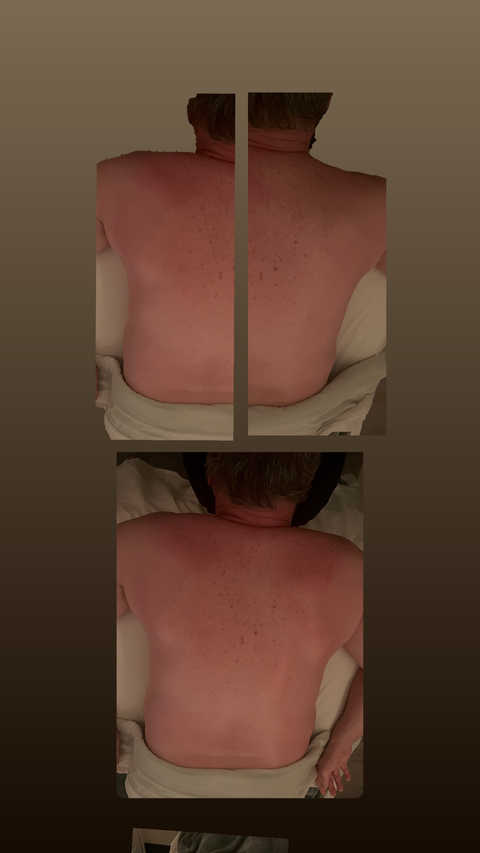
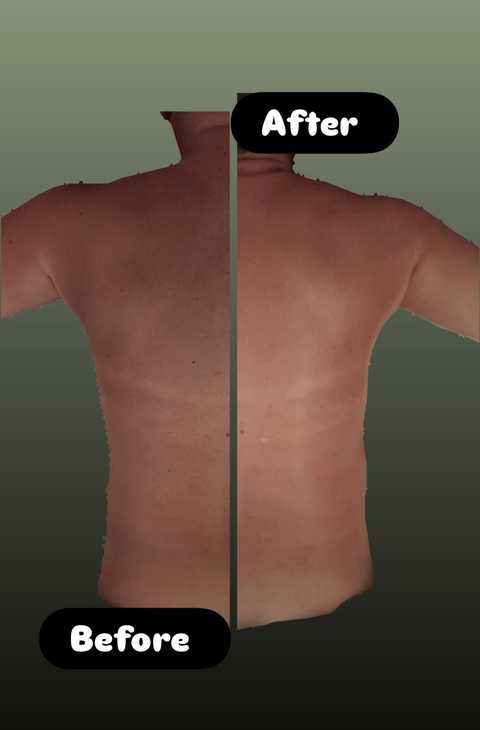
See examples of our Myofascial Release (MFR) - 60 min work and results.





What Our Clients Say
$$MultiPurposeText$$
Read testimonials from our satisfied customers

Great pressure, excellent body knowledge!

Such a great massage from Perla. I left with my body feeling great and relaxed! Very peace...more

Perla and Ray are outstanding!

Perla was amazing! She has healing hands. The environment is very clean, relaxing, and wel...more

I had an incredible massage experience that exceeded all my expectations. From the moment ...more

Such a great find! Perla was amazing. She is so calming and gave me an excellent massage....more

Frequently Asked Questions
Get answers to common questions about Myofascial Release (MFR) - 60 min.
During a 60-minute MFR session you'll experience slow, sustained pressure and gentle stretching focused on fascial restrictions. Therapists assess movement, apply hands-on techniques, and may pause to allow tissue release. Sessions are calm, clinical, and tailored to your comfort and goals.
Yes. MFR is highly effective for chronic pain because it targets connective tissue contributing to stiffness and restricted motion. We evaluate your medical history and tailor pressure and protocols to your condition, ensuring a safe, progressive plan for long-term symptom improvement.
Recommended frequency varies. Many clients notice improvement after three to six sessions, while others require ongoing monthly maintenance. We'll create a personalized treatment plan based on your response, severity, and functional goals to achieve lasting fascial balance and mobility.
Mild soreness or fatigue is common after MFR as tissues adapt; it usually subsides within 24 to 72 hours. Hydration, gentle movement, and light stretching speed recovery. Contact us if pain worsens or persists beyond a few days to reassess your treatment plan.
Wear comfortable, loose clothing and arrive hydrated. Avoid heavy meals, intense exercise, or alcohol right before your session. Bring relevant medical information or referral notes. We'll discuss your goals and any contraindications during intake to ensure your MFR session is safe and effective.
Coverage varies by provider and plan. Many insurers reimburse when a physician referral or diagnosis code is provided. We can supply required documentation, receipts, and treatment notes to support claims. Contact your insurer for specifics or ask us for assistance prior to your session.