

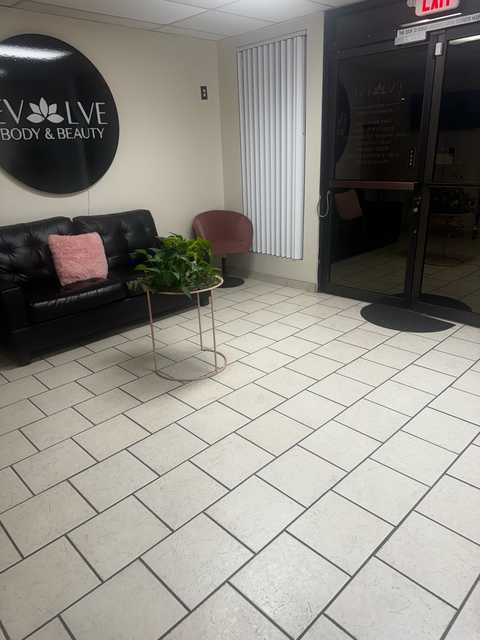
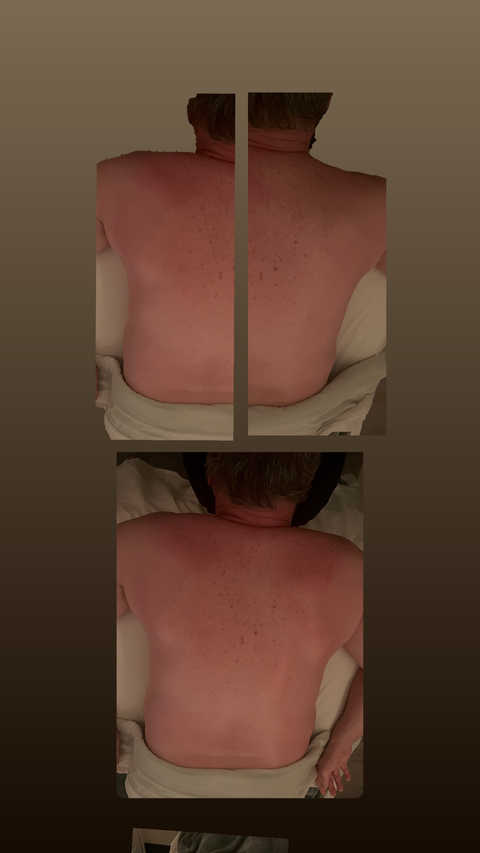
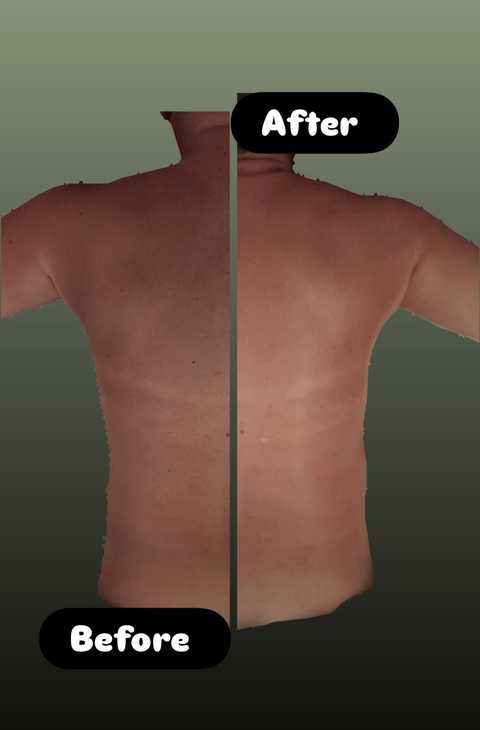
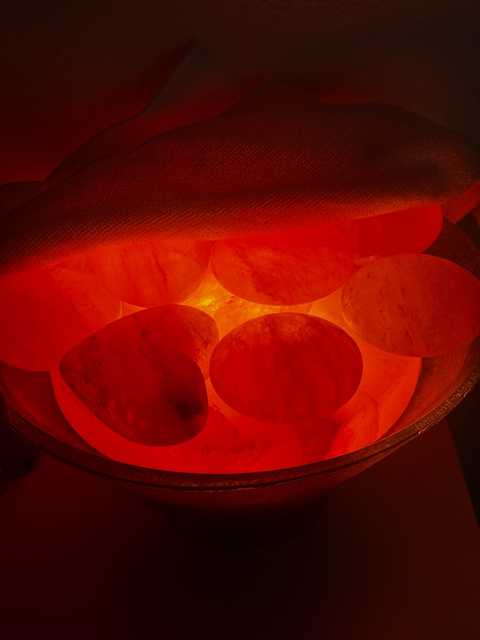
Myofascial Release (MFR) - 90 min Gallery
$$MultiPurposeText$$
See examples of our Myofascial Release (MFR) - 90 min work and results.




What Our Clients Say
$$MultiPurposeText$$
Read testimonials from our satisfied customers

Great pressure, excellent body knowledge!

Such a great massage from Perla. I left with my body feeling great and relaxed! Very peace...more

Perla and Ray are outstanding!

Perla was amazing! She has healing hands. The environment is very clean, relaxing, and wel...more

I had an incredible massage experience that exceeded all my expectations. From the moment ...more

Such a great find! Perla was amazing. She is so calming and gave me an excellent massage....more

Frequently Asked Questions
Get answers to common questions about Myofascial Release (MFR) - 90 min.
Arrive hydrated, wearing loose clothing. Avoid heavy meals or intense exercise immediately beforehand. Fill intake form and share medical history and current pain areas. This helps your therapist tailor pressure, positioning, and goals for a safe, effective 90-minute MFR session.
You may feel pressure that is sometimes intense, but treatments are adjusted for your comfort. Brief discomfort during release can lead to lasting improvement. Expect possible mild soreness for 24–72 hours; we’ll modify techniques if pain is excessive.
Treatment plans vary by condition severity. Many clients benefit from an initial series of three to six weekly sessions, then periodic maintenance. Your therapist will assess tissue response and recommend timing, frequency, and complementary therapies like movement or stretching.
MFR can be safe for many post-injury or post-surgery clients when cleared by a physician. Acute wounds, infections, recent fractures, or blood-clot risks are contraindications. We’ll review your medical history and adapt techniques or postpone treatment if necessary.
Wear comfortable, loose-fitting clothing you can move in; many clients remain clothed for MFR. Depending on areas treated, the therapist may ask to access skin for direct work. Proper draping ensures privacy and your comfort throughout the session.
Yes — MFR often reduces chronic pain and improves mobility by addressing fascial restrictions that perpetuate dysfunction. Best results come from combining sessions with movement, posture work, and home care to reinforce release and restore balanced movement patterns.