

Neuromuscular Massage - 60 min Gallery
$$MultiPurposeText$$
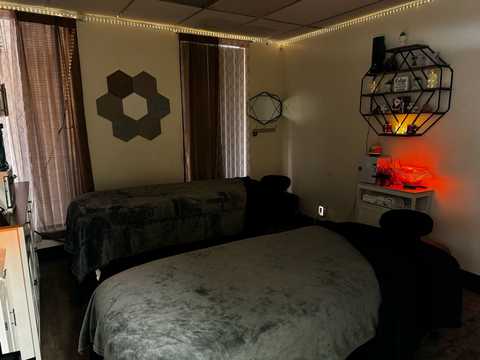
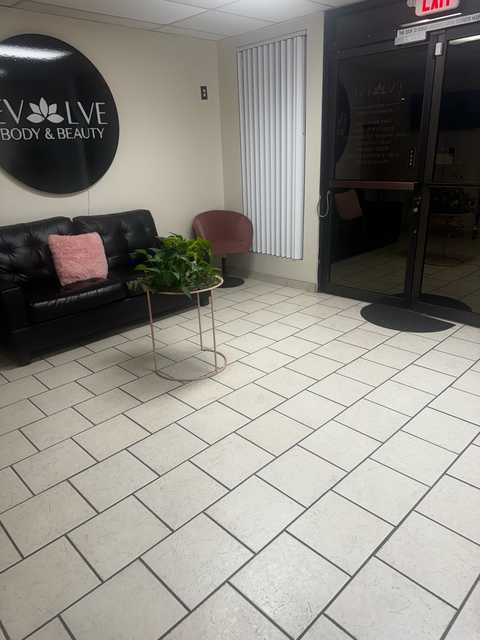
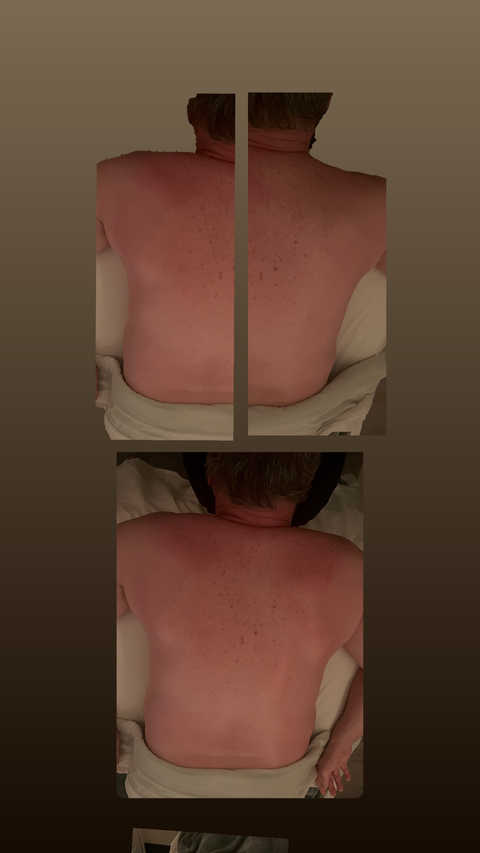
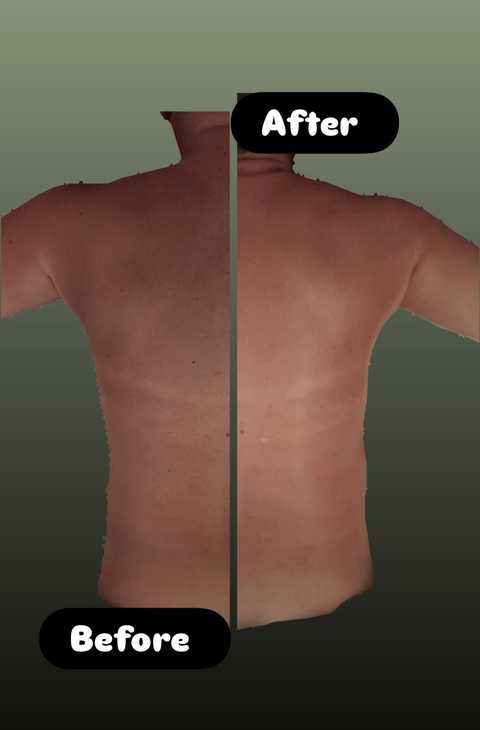
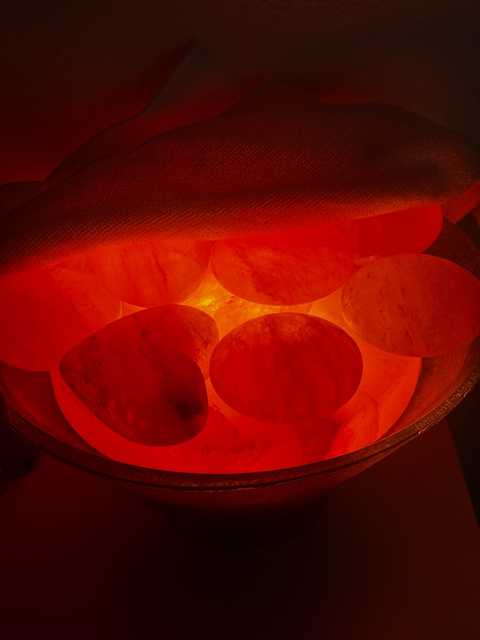
See examples of our Neuromuscular Massage - 60 min work and results.



What Our Clients Say
$$MultiPurposeText$$
Read testimonials from our satisfied customers

Great pressure, excellent body knowledge!

Such a great massage from Perla. I left with my body feeling great and relaxed! Very peace...more

Perla and Ray are outstanding!

Perla was amazing! She has healing hands. The environment is very clean, relaxing, and wel...more

I had an incredible massage experience that exceeded all my expectations. From the moment ...more

Such a great find! Perla was amazing. She is so calming and gave me an excellent massage....more

Frequently Asked Questions
Get answers to common questions about Neuromuscular Massage - 60 min.
Your therapist will assess posture and tender areas, then use firm sustained pressure on trigger points. Expect focused work, occasional discomfort, breathing guidance, and time for post-treatment recommendations to support lasting relief.
You may feel moderate discomfort as tight bands release, but therapists adjust pressure based on tolerance. Brief soreness can occur afterward; communication helps balance effectiveness and comfort throughout the session and recovery.
Many clients benefit from a series of 3–6 sessions scheduled weekly or biweekly, then tapering as symptoms improve. A personalized plan will be recommended based on severity, response, and functional goals.
Ideal candidates have chronic muscle pain, persistent trigger points, referred pain patterns, or movement dysfunction. Contraindications include infection, uncontrolled blood clotting disorders, recent fractures, or acute inflammation—consult before booking.
Avoid heavy meals, alcohol, or vigorous exercise immediately before treatment. Hydrate and arrive early to discuss history and current symptoms so the therapist can tailor pressure and techniques safely.
Drink water, apply gentle stretching or heat as advised, and avoid strenuous activity for 24 hours. Follow at-home exercises and schedule follow-up sessions to reinforce gains and prevent recurrence.