

Neuromuscular Massage - 90 min Gallery
$$MultiPurposeText$$
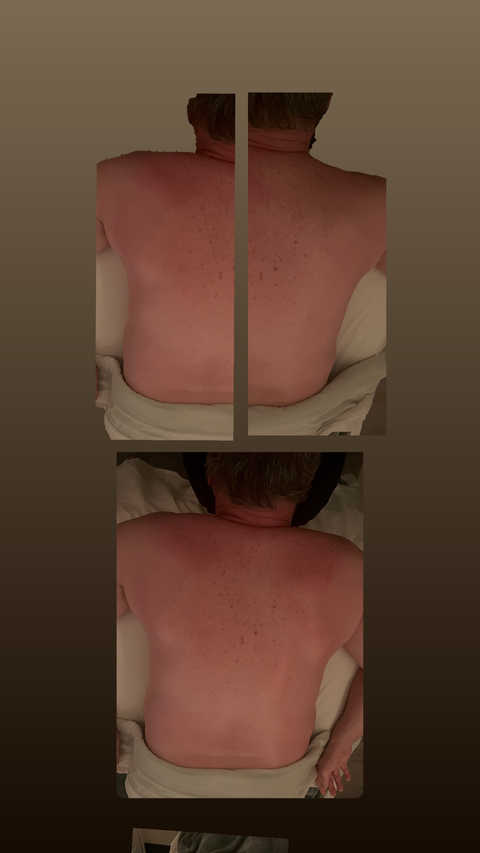
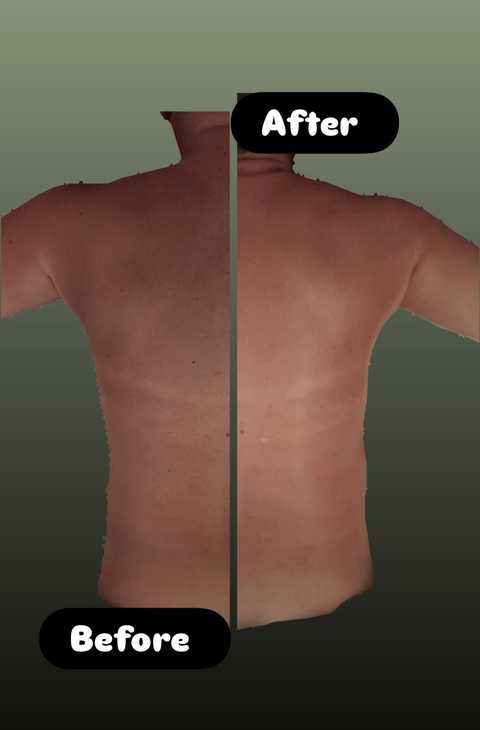
See examples of our Neuromuscular Massage - 90 min work and results.





What Our Clients Say
$$MultiPurposeText$$
Read testimonials from our satisfied customers

Great pressure, excellent body knowledge!

Such a great massage from Perla. I left with my body feeling great and relaxed! Very peace...more

Perla and Ray are outstanding!

Perla was amazing! She has healing hands. The environment is very clean, relaxing, and wel...more

I had an incredible massage experience that exceeded all my expectations. From the moment ...more

Such a great find! Perla was amazing. She is so calming and gave me an excellent massage....more

Frequently Asked Questions
Get answers to common questions about Neuromuscular Massage - 90 min.
During the session your therapist conducts a brief intake and assessment, then uses sustained trigger-point pressure, muscle release techniques and targeted stretching. Expect focused, clinical work addressing specific areas, with time for recovery recommendations and at-home guidance.
Some pressure can be intense as therapists work into tight bands, but we always calibrate intensity to your tolerance. Communicate discomfort; mild soreness or fatigue afterward is normal. Drinking water and light movement typically eases post-treatment soreness within 24-48 hours.
Frequency depends on your condition and goals: acute issues often require weekly or biweekly sessions initially, while maintenance clients visit every three to six weeks. Your therapist will recommend a tailored schedule and home-care plan to maximize recovery and results.
Neuromuscular massage is not appropriate for everyone. Avoid treatment with active infection, fever, recent surgery, deep vein thrombosis, unstable cardiac conditions, or uncontrolled high blood pressure. Pregnant clients should consult their provider. Always disclose your medical history before booking.
Yes - this treatment targets trigger points and muscle imbalances that perpetuate chronic pain, improving mobility and function. For complex injuries, it's most effective combined with physical therapy, corrective exercise and ongoing self-care as part of a coordinated recovery plan.
Wear comfortable, loose clothing and arrive hydrated. Avoid heavy meals immediately before your appointment. Bring a list of medications and relevant medical history. Expect a short intake discussion to outline symptoms and goals so your therapist can customize the session.