

Red Light Therapy - 20 min Gallery
$$MultiPurposeText$$
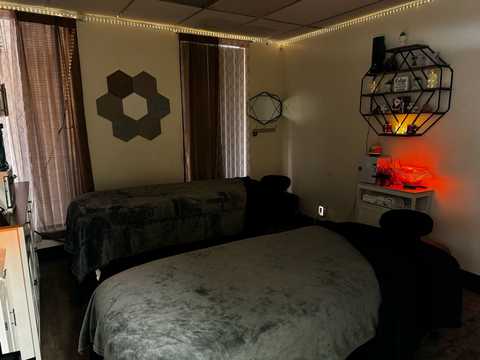
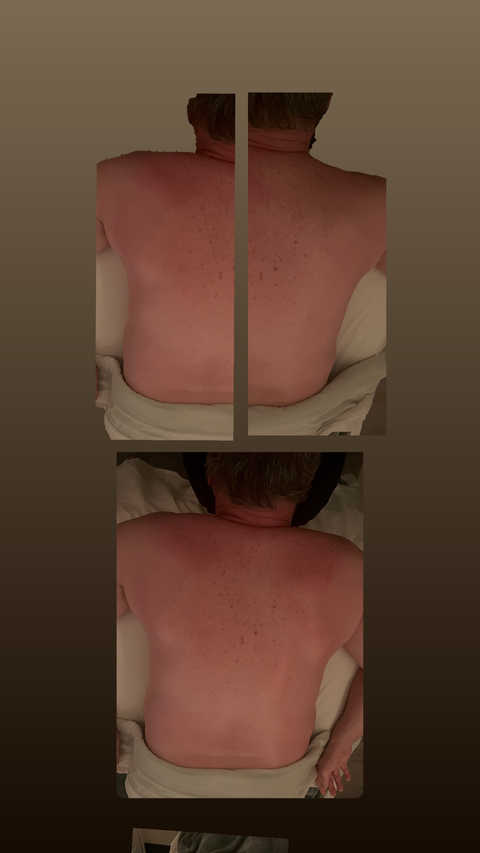
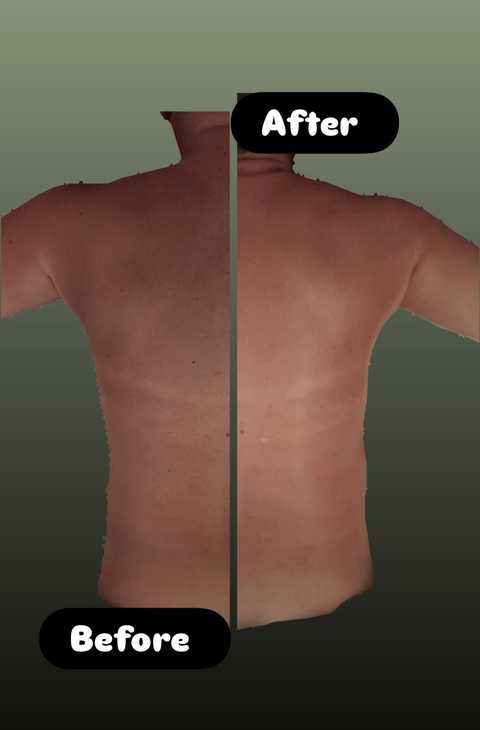
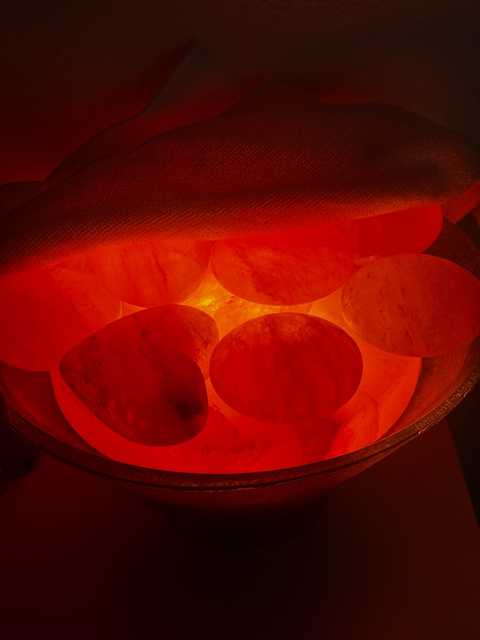
See examples of our Red Light Therapy - 20 min work and results.




What Our Clients Say
$$MultiPurposeText$$
Read testimonials from our satisfied customers

Great pressure, excellent body knowledge!

Such a great massage from Perla. I left with my body feeling great and relaxed! Very peace...more

Perla and Ray are outstanding!

Perla was amazing! She has healing hands. The environment is very clean, relaxing, and wel...more

I had an incredible massage experience that exceeded all my expectations. From the moment ...more

Such a great find! Perla was amazing. She is so calming and gave me an excellent massage....more

Frequently Asked Questions
Get answers to common questions about Red Light Therapy - 20 min.
We recommend consulting your healthcare provider before treatment. In many cases it is avoided during pregnancy or used with caution; our therapists will review your health history and contraindications to determine if the 20-minute session is appropriate.
Frequency depends on goals: acute concerns often benefit from 2–4 sessions weekly initially, then taper to maintenance once symptoms improve. For skin tone and recovery, a series of 6–12 sessions is commonly recommended for best, cumulative results.
Red and near-infrared therapy is non-invasive and typically painless, producing only mild warmth. Side effects are rare but can include temporary redness or sensitivity; therapists monitor treatment and adjust settings for comfort and safety.
Yes. This 20-minute photobiomodulation is designed to integrate with your massage to amplify recovery and relaxation. It is safe alongside most manual therapies and topical treatments; inform your therapist about any recent procedures or products used.
Some clients notice immediate reductions in tension or a subtle glow, but meaningful tissue repair and skin improvements are usually cumulative, appearing over several sessions across 2–6 weeks depending on condition and frequency.
Certain conditions and medications may contraindicate treatment, including active cancer in the treatment area, photosensitive medications, or uncontrolled seizure disorders. Always disclose medical history so we can advise or obtain physician approval when necessary.