

Adv. Therapeutic + Cupping - 60 min Gallery
$$MultiPurposeText$$
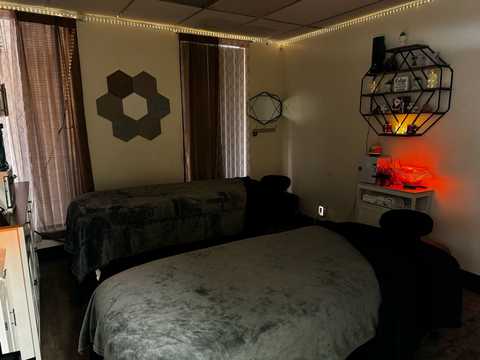
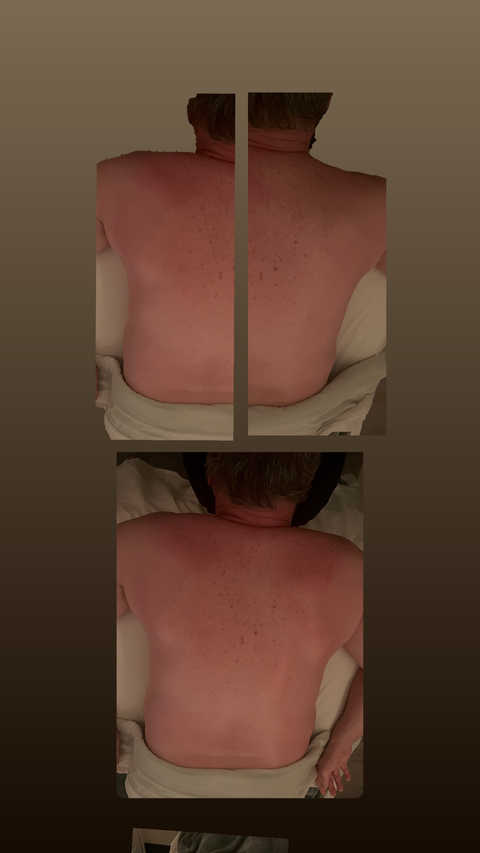
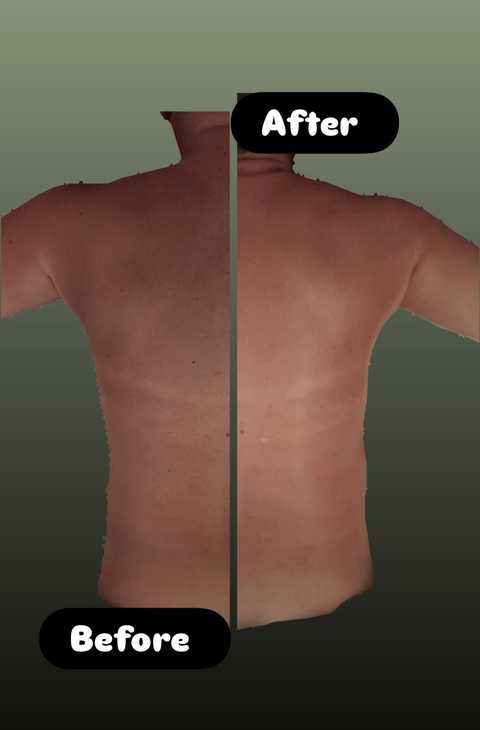
See examples of our Adv. Therapeutic + Cupping - 60 min work and results.



What Our Clients Say
$$MultiPurposeText$$
Read testimonials from our satisfied customers

Great pressure, excellent body knowledge!

Such a great massage from Perla. I left with my body feeling great and relaxed! Very peace...more

Perla and Ray are outstanding!

Perla was amazing! She has healing hands. The environment is very clean, relaxing, and wel...more

I had an incredible massage experience that exceeded all my expectations. From the moment ...more

Such a great find! Perla was amazing. She is so calming and gave me an excellent massage....more

Frequently Asked Questions
Get answers to common questions about Adv. Therapeutic + Cupping - 60 min.
Your therapist begins with a brief assessment and history, then applies targeted myofascial release and neuromuscular techniques combined with cupping. You may feel pressure, pulling, or warmth. Many clients notice immediate loosening; personalized stretches and aftercare are provided.
Cupping can create suction and temporary discomfort but is typically not painful. Sensations range from mild tightness to pressure; bruising or circular marks may occur. Your therapist adjusts intensity to your tolerance and communicates throughout the session.
Many clients experience immediate relief that may last days to weeks. Lasting improvement typically requires multiple sessions and home care. Frequency depends on condition severity; a short plan of regular treatments plus stretches and hydration optimizes long-term results.
Ideal candidates have chronic tension, restricted mobility, postural imbalances, or sports-related tightness. It benefits desk workers, athletes, and those with recurring trigger points. Not everyone qualifies—consultation screens for contraindications like recent surgery or certain medical conditions.
Common side effects include temporary soreness, redness, and mild bruising from cupping. Contraindications include blood clotting disorders, active skin infections, recent surgery, and certain cardiovascular conditions. Always disclose medications and health history so your therapist can tailor or defer treatment.
Arrive hydrated and avoid heavy meals before your appointment. Wear comfortable clothing if needed. Aftercare: drink water, rest, apply heat or gentle stretching as recommended, and avoid intense exercise for 24–48 hours. Book follow-ups to address ongoing issues.