

Therapeutic Massage - 45 min Gallery
$$MultiPurposeText$$
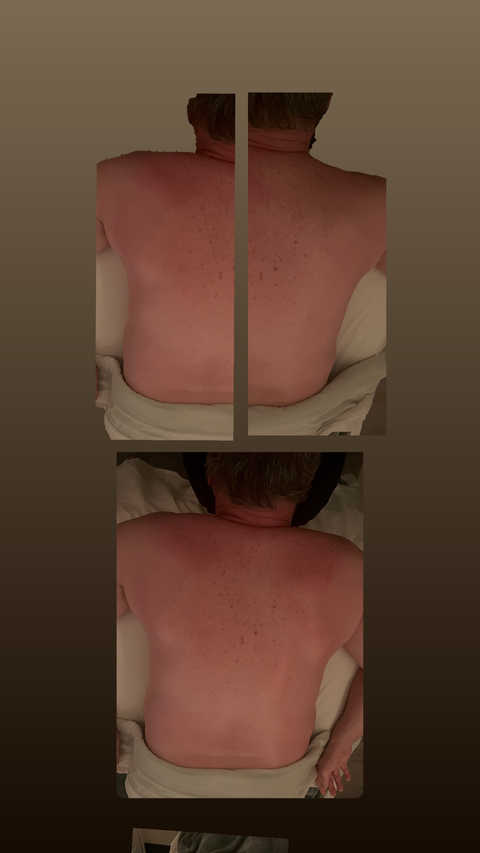
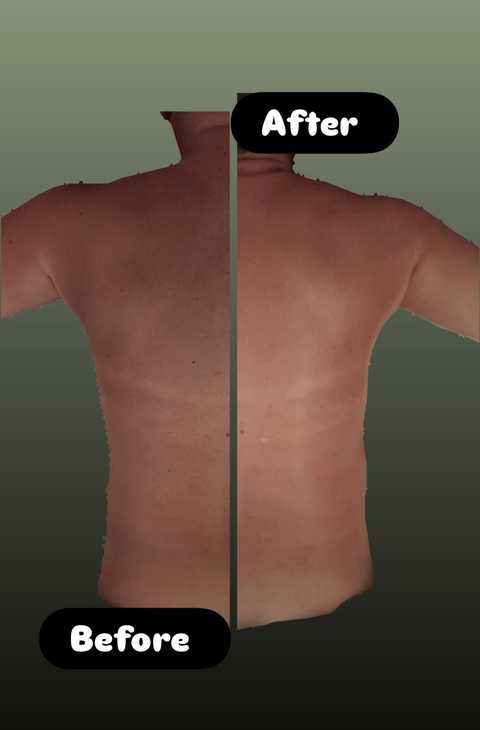
See examples of our Therapeutic Massage - 45 min work and results.






What Our Clients Say
$$MultiPurposeText$$
Read testimonials from our satisfied customers

Great pressure, excellent body knowledge!

Such a great massage from Perla. I left with my body feeling great and relaxed! Very peace...more

Perla and Ray are outstanding!

Perla was amazing! She has healing hands. The environment is very clean, relaxing, and wel...more

I had an incredible massage experience that exceeded all my expectations. From the moment ...more

Such a great find! Perla was amazing. She is so calming and gave me an excellent massage....more

Frequently Asked Questions
Get answers to common questions about Therapeutic Massage - 45 min.
A focused assessment followed by targeted work on one or two problem areas using deep tissue, myofascial release, and trigger point techniques. Expect focused pressure, short rest periods, and therapist guidance for aftercare and stretches to prolong relief.
It provides effective maintenance and immediate relief for localized chronic tension, but complex or full-body chronic conditions may need longer sessions or a treatment plan with multiple visits for lasting improvement.
Wear comfortable clothing and arrive hydrated. Fill out a brief intake form and communicate areas of pain or recent injuries. Avoid heavy meals beforehand; arrive a few minutes early to discuss goals with your therapist.
Some pressure may be intense when treating knots or trigger points, but therapists adjust to your pain tolerance. Clear feedback ensures work stays therapeutic, not harmful, and soreness afterwards typically fades within a day or two.
Frequency depends on severity and goals. For maintenance, every two to four weeks works well; acute or post-injury care may require weekly sessions initially. Your therapist will recommend a personalized schedule based on progress and activity demands.
Yes. It complements chiropractic care, physical therapy, and rehab exercises. Therapists coordinate treatment goals and offer stretch or home-care recommendations, enhancing recovery when integrated into a multidisciplinary plan. We can communicate with other providers when appropriate to support your rehab.